The Situation
You need 1/3 of a cup of butter for a recipe. The stick of butter only has a marking for 1/4 of a cup.
The Challenge(s)
- Where should you cut the butter so you have 1/3 of a cup?
- Where should you cut the butter so you have 1/2 of a cup?
- Where should you cut the butter so you have 2/4 of a cup?
- Where should you cut the butter so you have 1/8 of a cup?
- Where should you cut the butter so you have a whole cup?
- How can we tell if 1/3 of a cup is more than 1/4 of a cup?
- How can we tell if 1/3 of a cup is more than 1/2 of a cup?
Question(s) To Ask
These questions may be useful in helping students down the problem solving path:
- What is a guess that is too small?
- What is a guess that is too big?
- What is your best guess?
Consider This
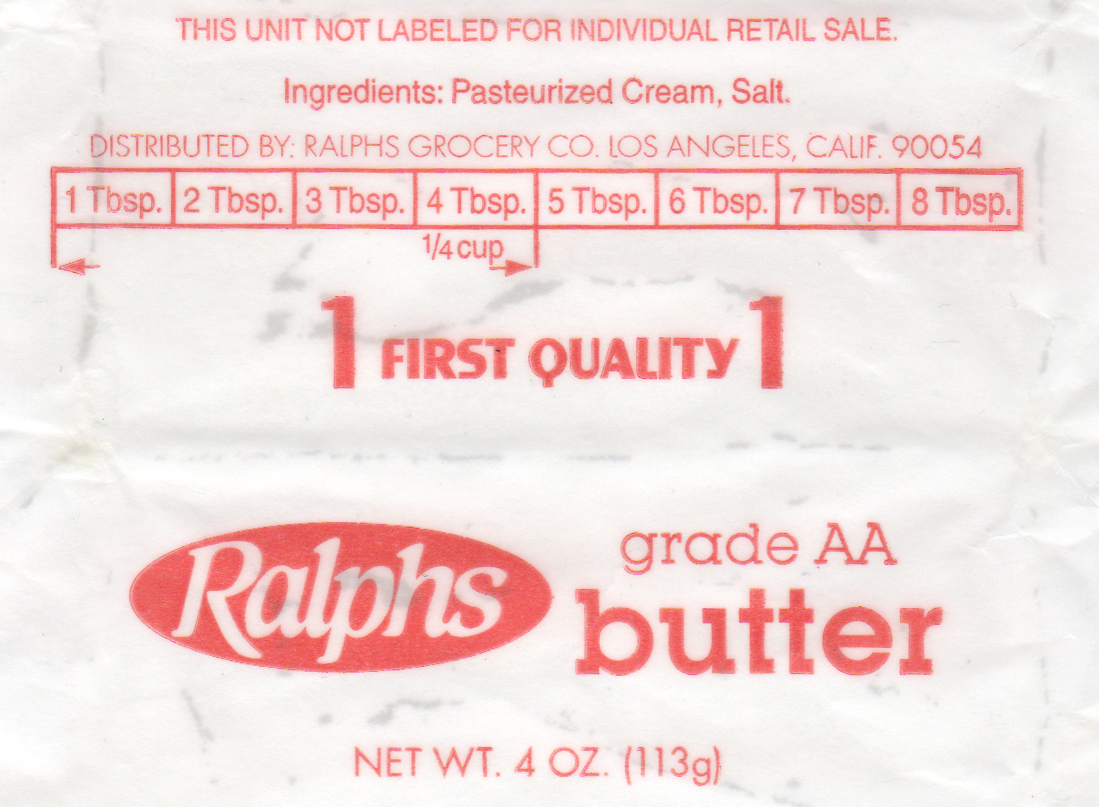
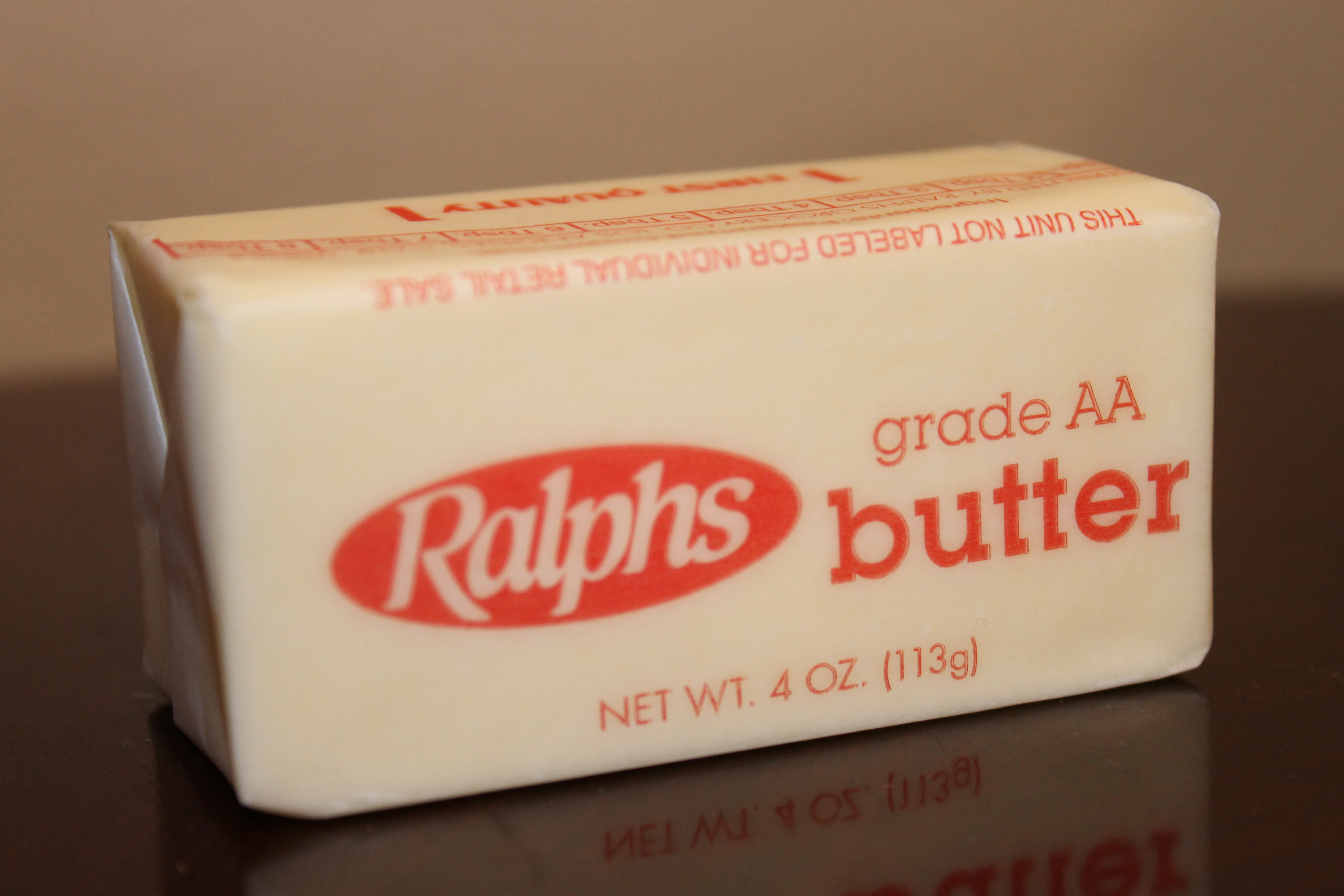
This problem is a real-life application of being able to identify a fraction on a number line. You may want to use the image of the stick of butter under “What You’ll Need” to build background knowledge if students are unfamiliar with the context. This particular stick of butter actually has markings for 1/4, 1/3, and 1/2 of a cup of butter but I have Photoshopped them out so that students’ answers can be validated by seeing that their markings were in the correct spot.
Begin by showing students the image below:
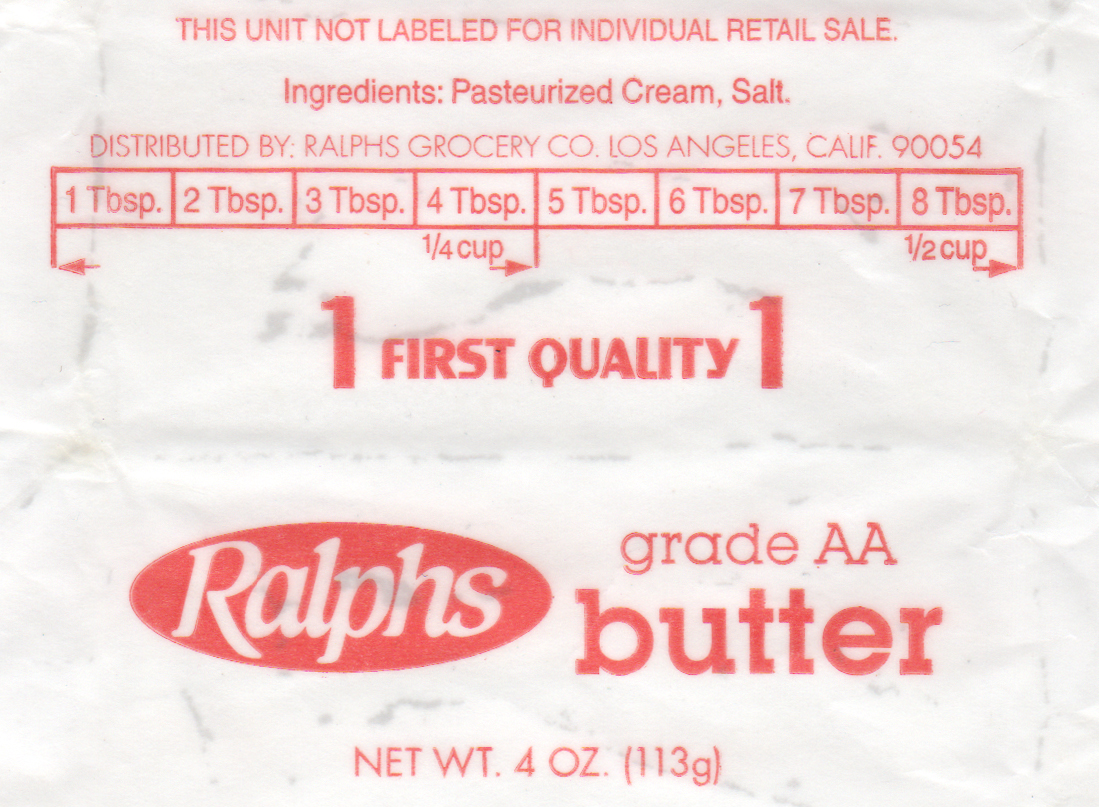
If students are having significant trouble finding 1/3 of a cup and you wish to scaffold the activity, you can ask them to find 1/2 of a cup first. The image below has the “1/2 cup” on the image but the “1/3 cup” is still missing.
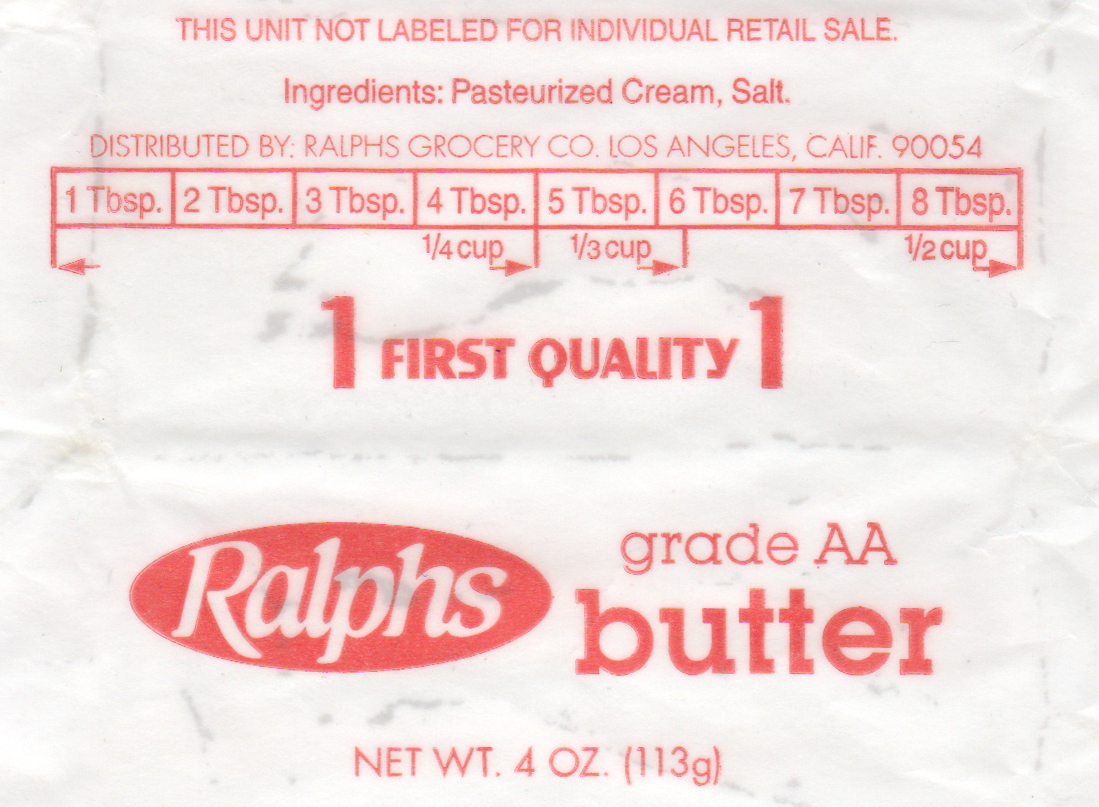
Finally, when they are ready for the reveal, here is the original image:
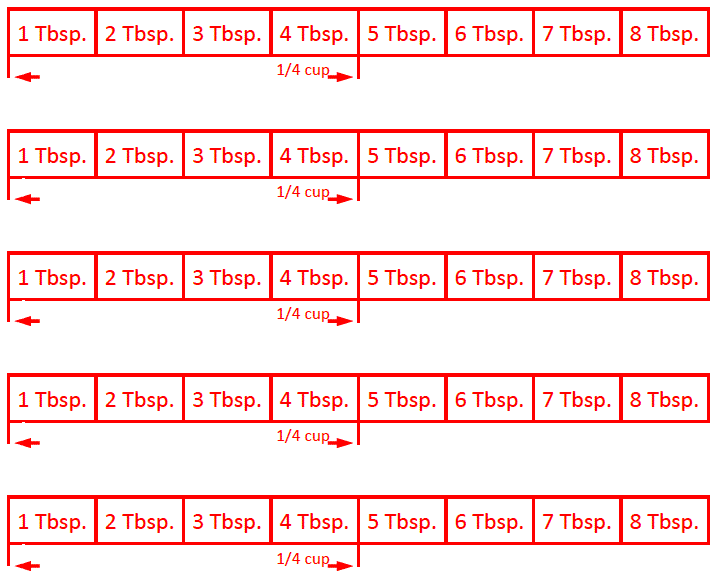
It may be useful for students to have a template with the same scale for comparison purposes so I have included a PDF of the template below when you click on the “Download files” button.
What You’ll Need
- A stick of butter
Content Standard(s)
- CCSS 3.NF.1 Understand a fraction 1/b as the quantity formed by 1 part when a whole is partitioned into b equal parts; understand a fraction a/b as the quantity formed by a parts of size 1/b.
- CCSS 3.NF.2 Understand a fraction as a number on the number line; represent fractions on a number line diagram.
- CCSS 3.NF.2a Represent a fraction 1/b on a number line diagram by defining the interval from 0 to 1 as the whole and partitioning it into b equal parts. Recognize that each part has size 1/b and that the endpoint of the part based at 0 locates the number 1/b on the number line.
- CCSS 3.NF.2b Represent a fraction a/b on a number line diagram by marking off a lengths 1/b from 0. Recognize that the resulting interval has size a/b and that its endpoint locates the number a/b on the number line.
- CCSS 3.NF.3 Explain equivalence of fractions in special cases, and compare fractions by reasoning about their size.
- CCSS 3.NF.3a Understand two fractions as equivalent (equal) if they are the same size, or the same point on a number line.
- CCSS 3.NF.3b Recognize and generate simple equivalent fractions, e.g., 1/2 = 2/4, 4/6 = 2/3. Explain why the fractions are equivalent, e.g., by using a visual fraction model.
- CCSS 3.NF.3c Express whole numbers as fractions, and recognize fractions that are equivalent to whole numbers. Examples: Express 3 in the form 3 = 3/1; recognize that 6/1 = 6; locate 4/4 and 1 at the same point of a number line diagram.
- CCSS 3.NF.3d Compare two fractions with the same numerator or the same denominator by reasoning about their size. Recognize that comparisons are valid only when the two fractions refer to the same whole. Record the results of comparisons with the symbols >, =, or <, and justify the conclusions, e.g., by using a visual fraction model.
Source(s)
- Ralph’s butter
Download